
One of the best places in Canada to diagnose and treat rosacea, Toronto Dermatology Centre physicians and skin care specialists have the expertise to optimize the look and feel of your skin. Toronto Dermatology Centre launched the Toronto Rosacea Centre because we see so many patients with rosacea and have become a centre of excellence for rosacea. Our Toronto Rosacea Centre has a staff of outstanding dermatologists and medical estheticians that offer both a comprehensive assessment and diagnosis of your skin, and also discuss all the treatment options including: trigger avoidance, sunscreen recommendations, over the counter treatments, makeup and coverup, physician-grade skin care products, prescription creams and pills, and laser and light devices to get rid of redness and blood vessels. For the best rosacea treatments in Toronto, talk to one of our Toronto dermatologists or medical estheticians.
What is Rosacea?
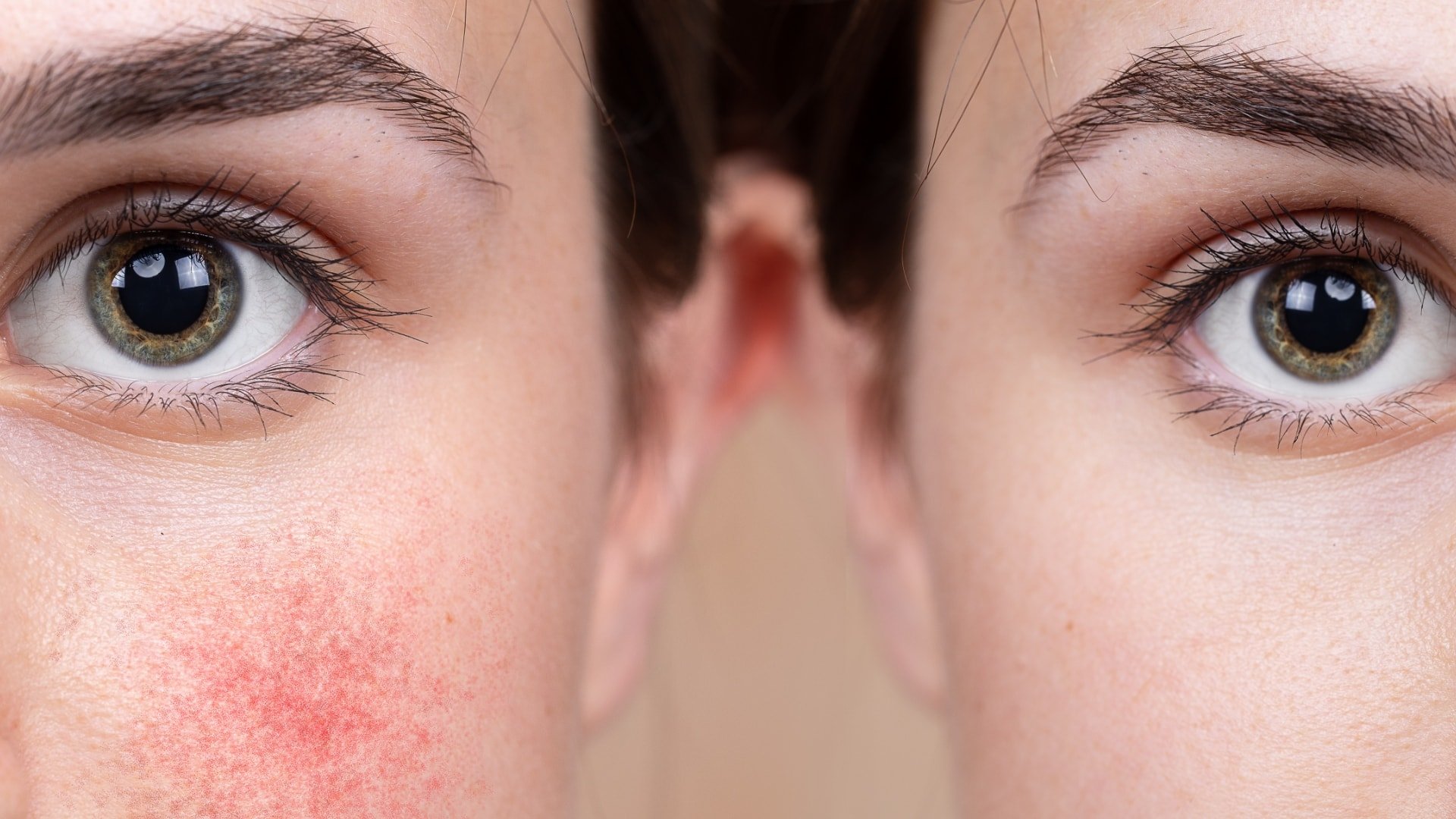
Rosacea is a common skin disease that causes redness, pimples & pustules, and swelling on the face. Often referred to as “adult acne,” rosacea frequently begins as a tendency to flush or blush easily. It may progress to persistent redness in the center of the face that may gradually involve the cheeks, forehead, chin, and nose. With time, small blood vessels and tiny pimples begin to appear on and around the reddened area.
When rosacea first develops, the redness may come and go. Small dilated vessels also may be present due to prolonged sun exposure. However, when the skin doesn’t return to its normal color, and when other symptoms such as pimples and enlarged blood vessels become visible, it’s best to seek advice from a dermatologist. The condition may last for years, rarely reverse itself, and can become worse without treatment.
About 50% of people with rosacea have eye involvement (ocular rosacea). Some rosacea patients experience burning and grittiness of the eyes, a common condition known as conjunctivitis. Styes/Chalazion are also more common. If this condition is not treated, it can lead to more serious eye problems.
How to Recognize Rosacea
Small red bumps, some of which may contain pus, appear on the face. These may be accompanied by persistent redness and the development of many tiny blood vessels on the surface of the skin. In more advanced cases (in men), a condition called rhinophyma may develop. The oil glands enlarge causing a bulbous, red nose, and puffy cheeks.
Who is at Risk for Rosacea?
Fair skinned adults typically between the ages of 30 and 60 may develop rosacea. People of British or Northern/Eastern European background are most commonly affected.
What triggers Rosacea?
Tips for Rosacea Patients
- Avoid triggers, including: hot drinks, spicy foods, caffeine and alcoholic beverages that make the face red or flushed. Although alcohol may worsen rosacea, the condition may be just as severe in someone who doesn’t drink; thus rosacea has been unfairly linked to alcoholism.
- Practice good sun protection. Seek shade when possible and limit exposure to sunlight, wear hats & sunglasses, and use broad spectrum sunscreens with SPF of 30 or higher. Reapply sunscreen after getting wet or sweating.
- Avoid extreme hot and cold temperatures which may exacerbate the symptoms of rosacea. Exercise in a cool environment. Do not overheat.
- Avoid rubbing, scrubbing or massaging the face.
- Avoid cosmetics and facial products that contain alcohol. Use hair sprays properly, avoiding contact with facial skin.
- Keep a diary of flushing episodes and note associated foods, products, activities, medications or other triggering factors.
Treatment
Many people with rosacea are unfamiliar with it and do not recognize it in its early stages. Identifying the disease is the first step to controlling it. Self-diagnosis and treatment are not recommended since some over-the-counter skin products may make the problem worse.
Dermatologists often recommend a combination of treatments tailored to the individual patient. These treatments can stop the progress of rosacea and sometimes reverse it.
Creams, lotions, washes, gels, and pads that contain various topical antibiotics, metronidazole (e.g. Metrogel®, Noritate®), ivermectin (Rosiver®), & azelaic acid (Fiancea®); less commonly, benzoyl peroxide and retinoids may be prescribed. A modest improvement can be seen in the first three to four weeks of use. Greater improvement is usually noticed in 6-8 weeks. Be patient.
Oral antibiotics (e.g. tetracycline/minocycline/doxycycline) tend to produce faster results than topical medications. New low-dose, slow release “subantimicrobial antibiotics” which really work mainly as anti-inflammatory medication such as Apprilon® (Doxycycline 40mg) have come to market and are very beneficial for the acne/pimple component of rosacea as well as for ocular (eye) rosacea. Occasionally, low dose oral isotretinoin (e.g. Accutane® or Epuris®) is used successfully. Cortisone creams may reduce the redness and discomfort of rosacea; however, they should not be used for longer than about two weeks since they can cause flare-ups upon discontinuation.
The persistent redness may be treated with a small electric needle (electrodessication) or by laser surgery (e.g. Intense Pulse or Broad Band Light, Excel-V) to close off the dilated blood vessels. More recently, Onreltea® (Brimonidine) is a topical gel applied in the morning, starts working after 30min, and lasts for about 12 hours ; it significantly reduces facial redness from any cause and specifically rosacea. Cosmetic cover-up (Oxygenetix) may be helpful. Green tinted makeup is useful to mask the redness. Please see our medical estheticians for assistance. Results may vary from person to person.
Rhinophyma or swelling of the nose which occurs predominantly in men can be improved surgically or with laser resurfacing.
The key to successful management of rosacea is early diagnosis and treatment. It is important to follow all of your dermatologist’s instructions. Rosacea can be treated and controlled if medical advice is sought in the early stages. When left untreated, rosacea will get worse and may be more difficult to treat.
Before and After Picture of Our Patient
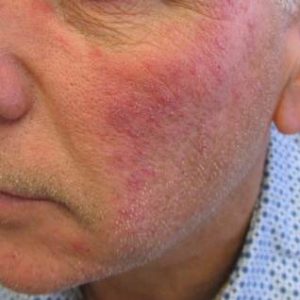
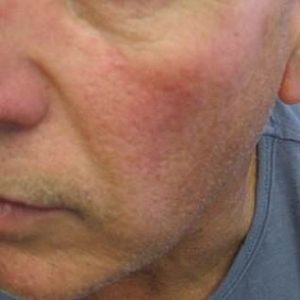
Before and After
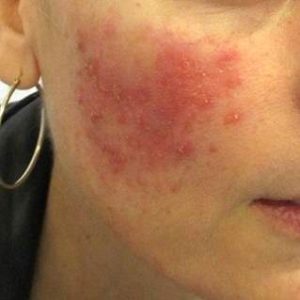
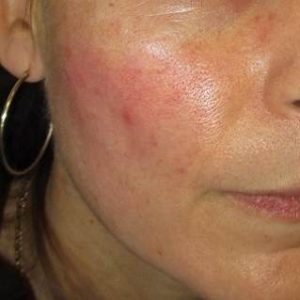
Before and After
Here is a selection of scientific and media articles authored by or quoting our renowned dermatologists as they pertain to rosacea. Toronto Dermatology Centre is proud to be among the largest and most comprehensive treatment centres for rosacea in Canada.
For rosacea treatment in Toronto, you can trust our dedicated and highly trained specialist physicians.
Toronto Dermatology Centre is located in Toronto, Ontario, and serves men and women in North York, Vaughan, Richmond Hill, York, Aurora, Thornhill, Mississauga, Scarborough, Brampton, Etobicoke, Pickering, Peterborough, Guelph, Kitchener, Oakville, Barrie and all of Greater Toronto (GTA).
Thinking of visiting Toronto’s premier skin clinic soon?
Fill out the inquiry form below and let us know your area of interest.
Call us today @ 416.633.0001